
Explore our
slip ring expertise
A slip ring, also known as a rotary electrical joint, collector, or electric swivel, is an electromechanical device that enables the transmission of power and electrical signals between a stationary and a rotating structure.
Electro-Miniatures specializes in designing and manufacturing advanced slip ring assemblies for aerospace, defense, medical, and other demanding industries.
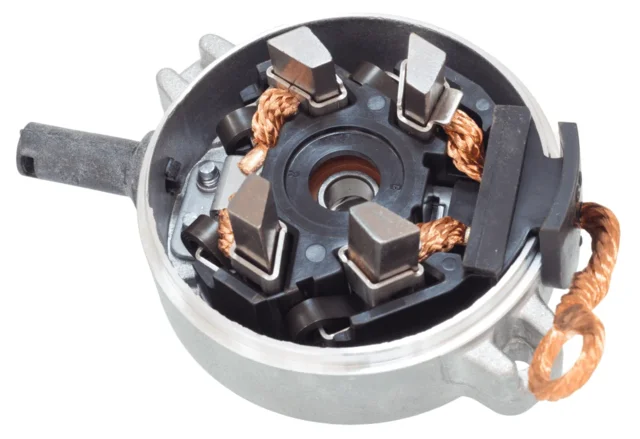
Slip rings for every application
Slip rings enable seamless rotation while transmitting power, signals, or data, solving the challenge of maintaining electrical connections in rotating systems. Electro-Miniatures delivers durable, precision-engineered solutions for the most demanding applications in defense, aerospace, and beyond.
Problem: “How can I get electricity to a continuously rotating part of my assembly?
For example, if I want power available in a tank turret, how can I enable the turret to rotate without limits?”
Solution: “Use a sliding contact slip ring!”
Capabilities
Design capabilities
Design, integration and manufacturing excellence.
Our design capabilities combine cutting-edge tools and decades of expertise to create slip ring solutions that meet the most complex requirements. From advanced modeling in SolidWorks and AutoCAD to innovative configurations like drum-in-drum designs, we ensure precision, reliability, and seamless integration into your systems.
- Solid works
- Autocad
- Proprietary design protocols for mechanics, electronics and metallurgy
- Pioneered designs using a drum within a drum
Component integration
Integrated design for advanced systems
Today’s engineers face the challenge of designing smaller, lighter, and more cost-effective components while streamlining manufacturing and reducing overhead. Electro-Miniatures excels in integrating traditionally separate components like motors, resolvers, encoders, and fiber optic rotary joints, into a single, efficient assembly. These innovations reduce housing size, weight, and the need for multiple bearings, simplifying system assembly and procurement.
With decades of expertise and access to top-tier suppliers, we specialize in custom solutions, including fluid-filled slip rings for deep-sea applications, EMI-isolated designs with Faraday cage housings, and EMI suppression filters for sensitive circuits. Let us help you achieve smarter, more efficient systems.
Applications
Our slip-ring manufacturing expertise goes beyond the defense industry, extending to quality commercial applications. Leveraging advanced technology and a skilled workforce, we craft slip rings that cater to diverse commercial needs with precision and reliability. Our commitment to excellence ensures that businesses across sectors receive products that enhance performance and stand up to real-world demands.

Optronics mast
An environmentally sealed slip ring in a optronics mast for submarines is used to transmit electrical power, control signals, and high-resolution image data (e.g. video signals, such as 3G-SDI) continuously between the rotating, extended mast, and the stationary submarine hull. It enables 360° rotation, protects the technology from water and pressure, and ensures reliable transmission despite demanding environmental conditions.
The slip ring ensures power transmission for cameras and sensors, real-time data transmission of video signals to the control center, signal continuity for unrestricted mast rotation without cable damage, and a robust protective function for harsh marine environments.

Directed infrared countermeasures
Directed infrared countermeasure (DIRCM) system uses specialized slip ring assemblies to transfer power, high-speed data, and control signals while allowing continuous, unrestricted rotation.
The continuous rotation allows to track incoming missiles through a full 360-degree rotation without tangling internal cabling. Signal and power transfer is achieved using electric slip rings for power and control, alongside Fiber Optical Rotary Joints or high-bandwidth slip rings to transmit data from the thermal camera. Position sensing is handled by integrated resolvers or position sensors that provide real-time, precise angular feedback to the control system, which is crucial for aiming the laser at a fast-moving, distant missile. Design characteristics include custom-built, miniature, and high-reliability assemblies that feature gold-on-gold contact technology to ensure low electrical noise in harsh environmental conditions.

Slip ring solutions for commercial applications
Slip rings are critical electromechanical components that enable the system to provide in-flight entertainment, telephone services, and high-speed internet. They allow power and data to be transmitted from the stationary aircraft cabin to the rotating satellite antenna mounted on the fuselage. Specialized slip rings, such as hybrid fiber optic rotary joints (FORJ), transmit high-speed data, Ku-band signals, and 4G/VoIP voice and data traffic between the moving antenna and the cabin network. These aerospace slip rings are designed to operate under extreme vibration, temperature changes, and environmental conditions (corrosive or high moisture).
Slip rings overview
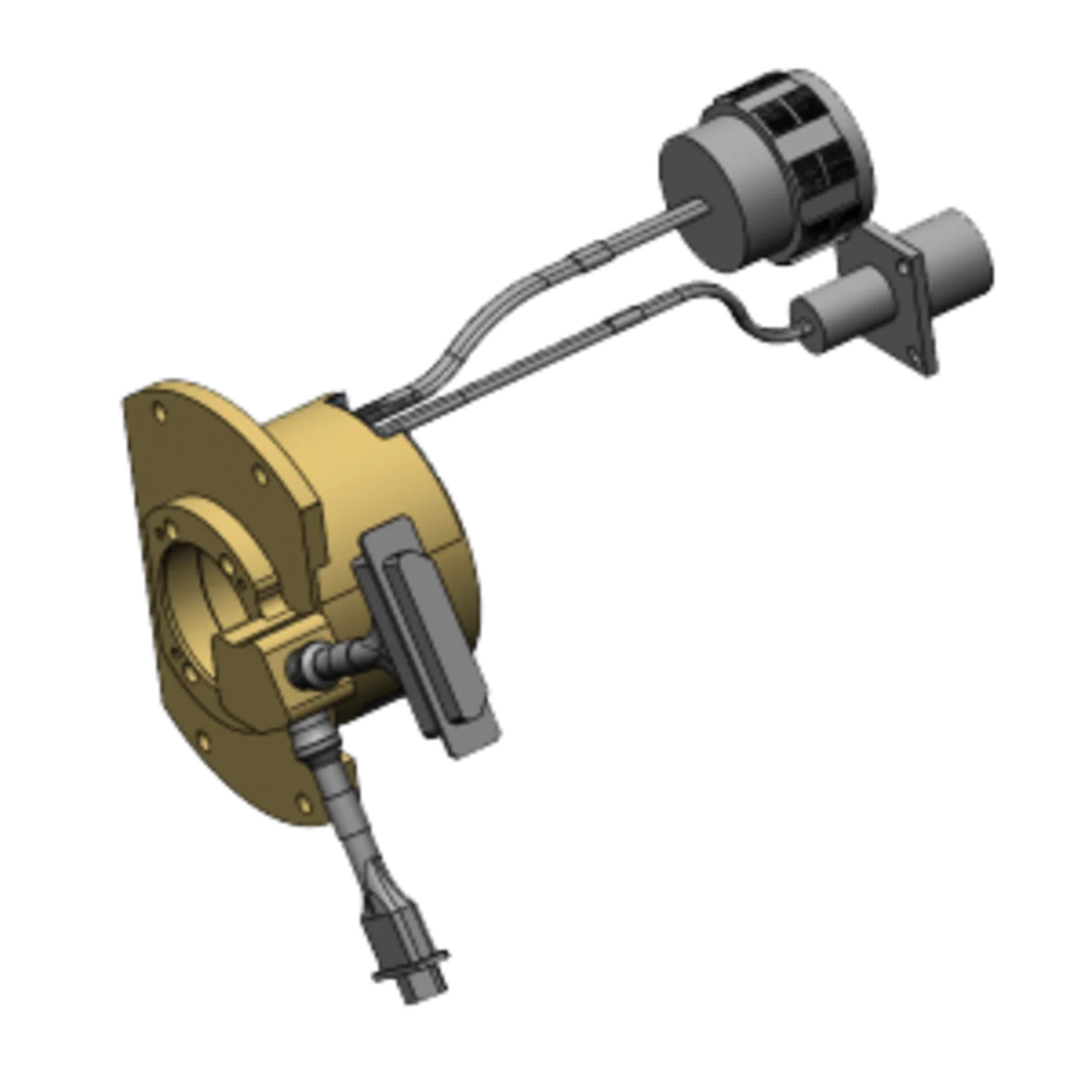
Featured assemblies
EMC continues to provide hundreds of slip rings to make it possible for Southwest Airlines and others to offer entertainment, telephone and broadband internet on its flights using the Panasonic eXconnect system.
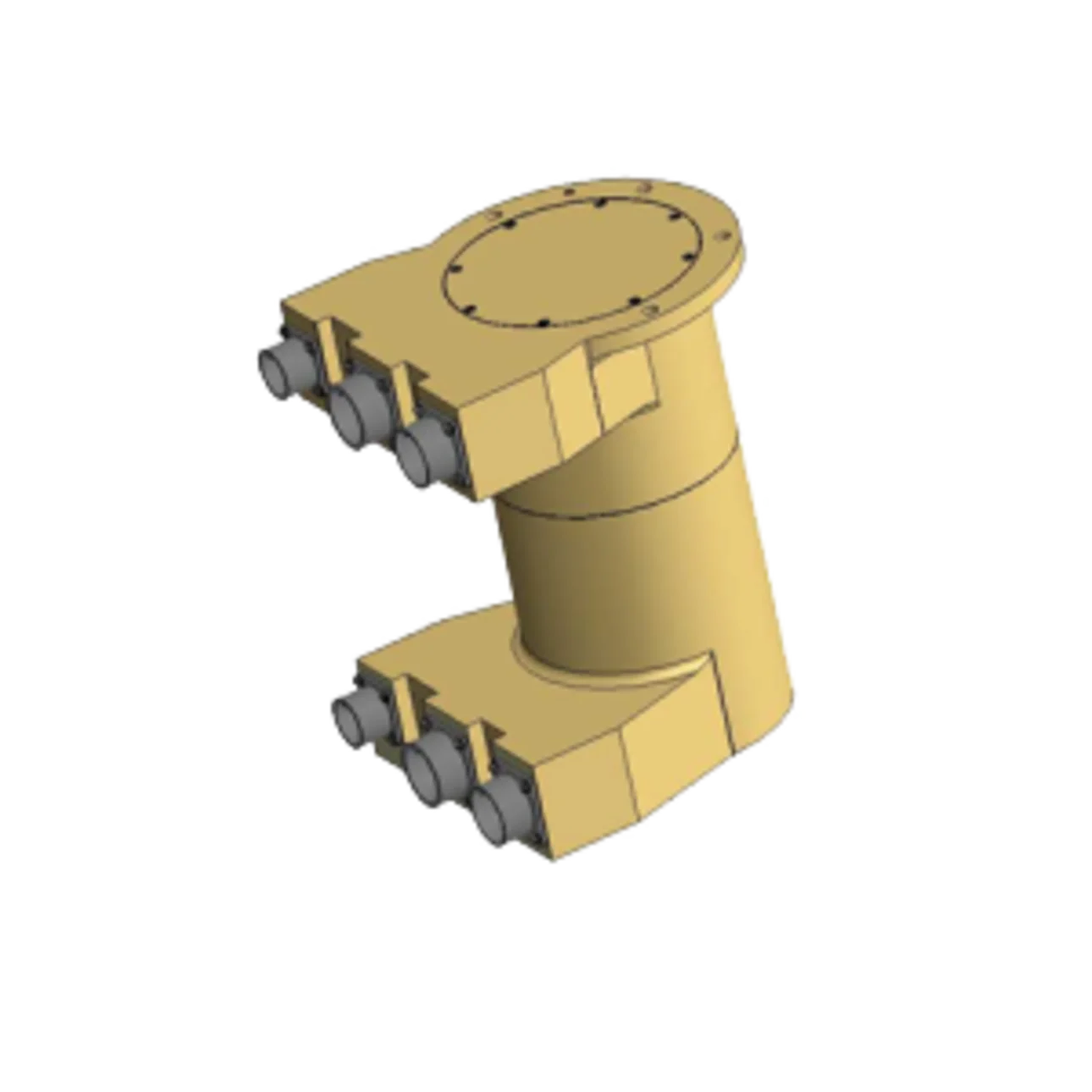
Custom assemblies
Electro-Miniatures collaborates with industry-leading manufacturers of motors, position sensors, and interconnect devices to deliver high-performance slip ring assemblies at competitive prices. Based on the customer’s design requirements, these components can be specified either by the customer or by Electro-Miniatures to achieve the ideal balance of performance and cost.
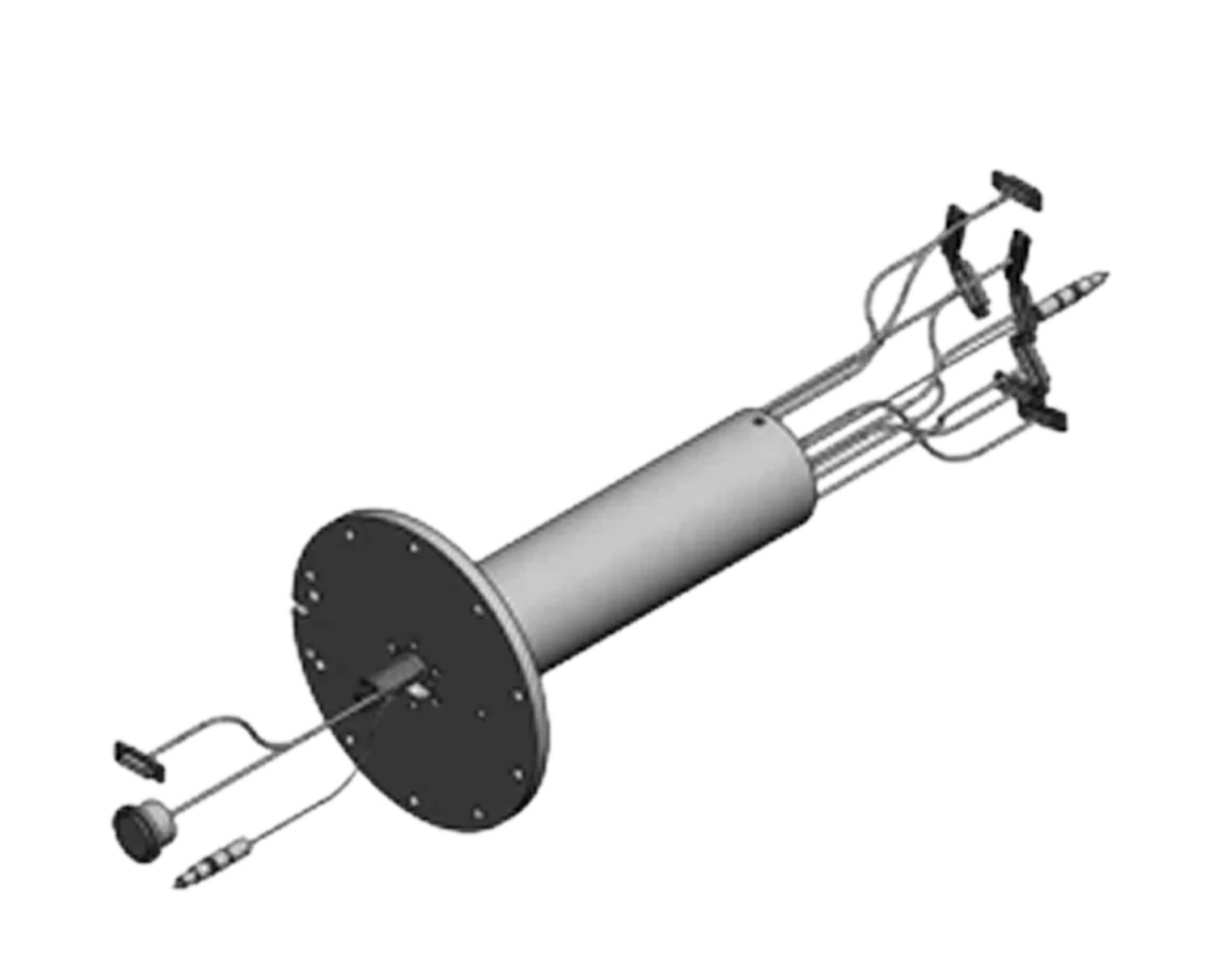
Integrated Fiber Optical Rotary Joint (FORJ) | Electrical slip rings
Electro-Miniatures designs slip rings e.g. for an ROV or Remotely Operated Vehicle, a submarine robot used in offshore oil production. It incorporates a 7-channel fiber optical rotary joint and is fluid filled to enable it to operate in deep salt water.
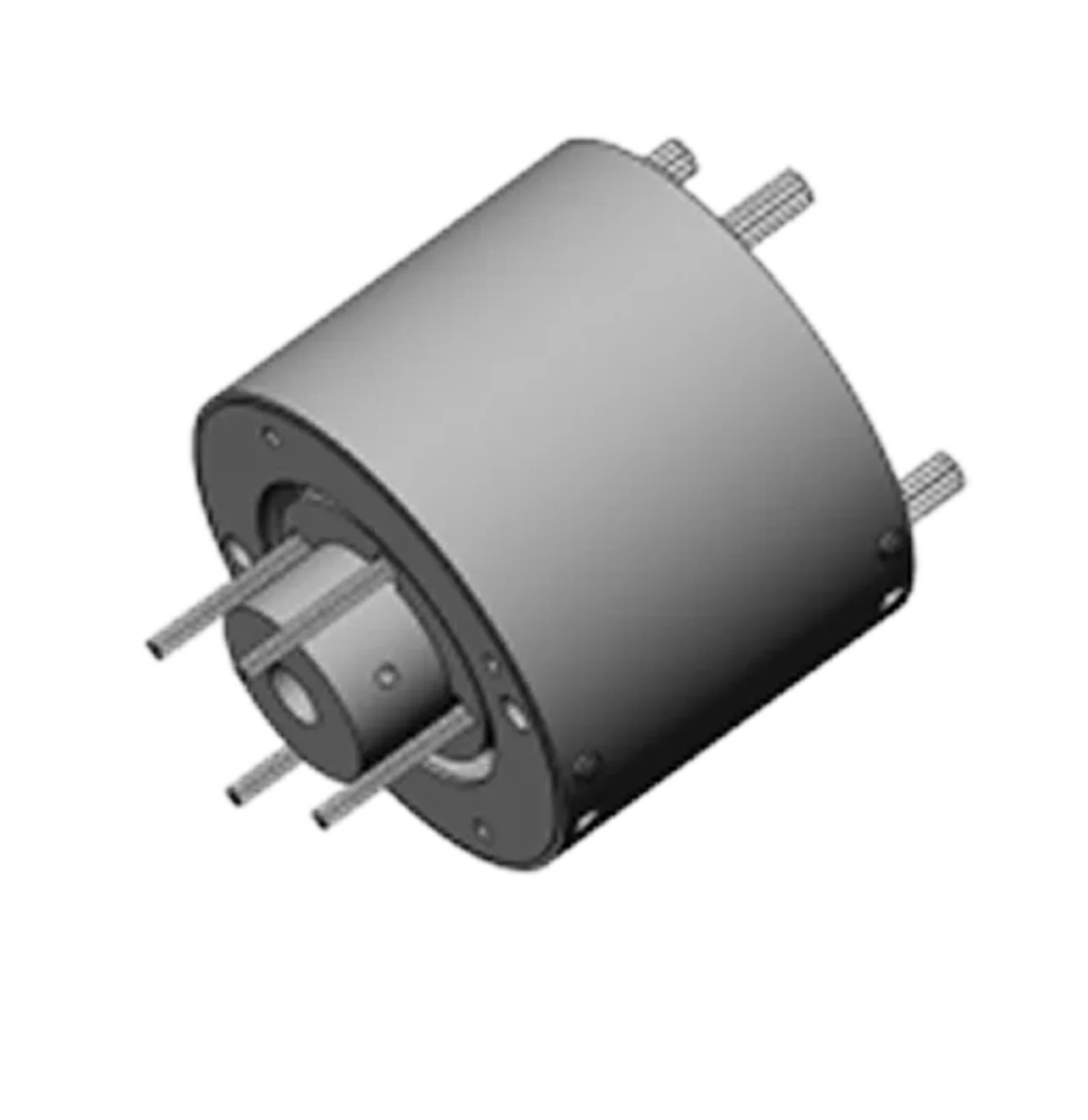
Enclosed power thru-bore
For example:
- Ring/ circuit QTY: 4 Power ring/circuits 10 AMPS; signal/ring circuits 5 AMPS
- Insulation resistance: 1000 MEGOHMS @ 500 VDC
- Impedence: 75 OHMS
- Noise: 10 MILLIOHMS Max
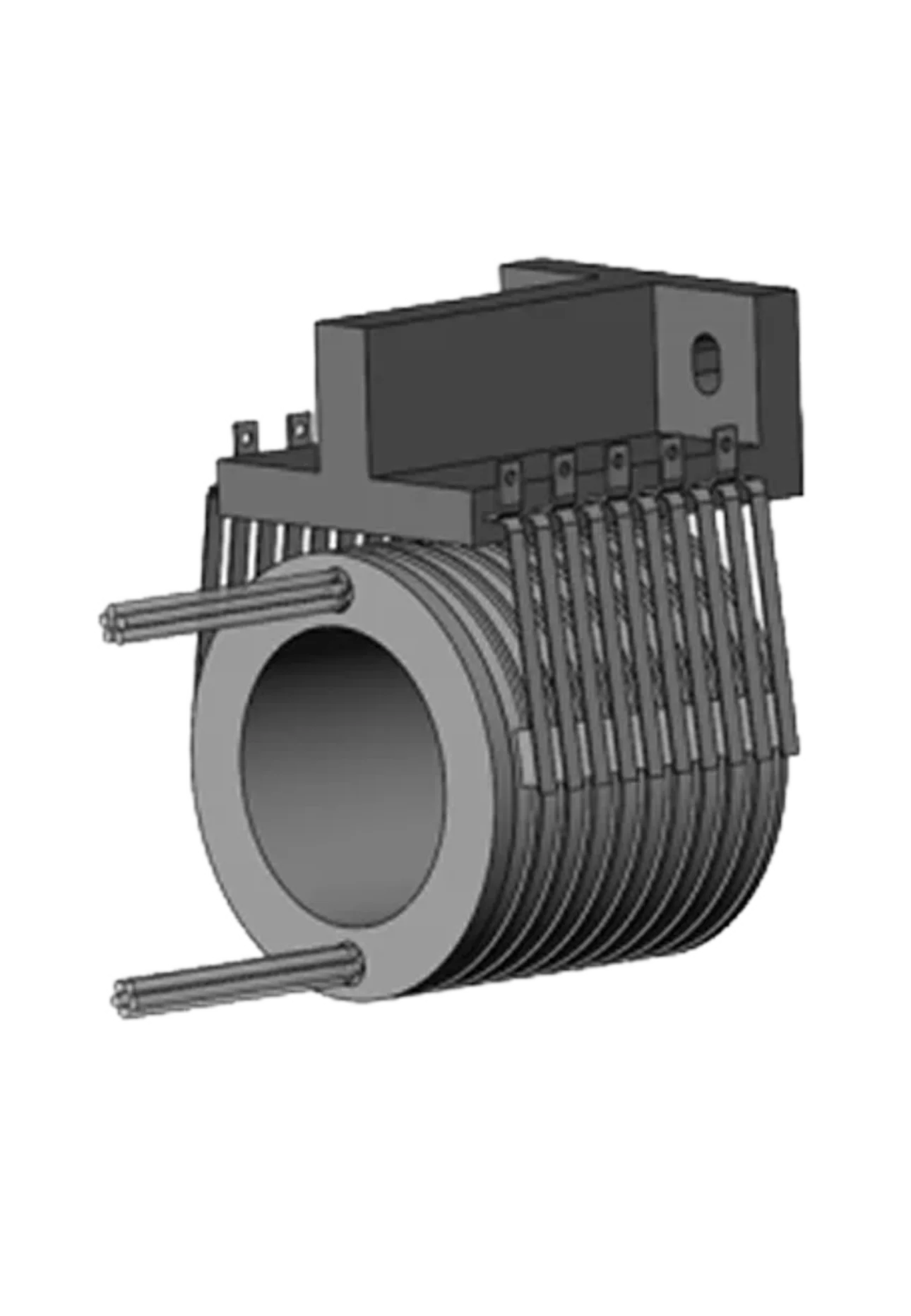
Mid-sized capsule
For example:
- Ring/ circuit QTY: From 5.00” to 8.00”
- Dielectric strength: 1,000 Volts RMS
- Noise: 5 MILLIOHMS MAX.
- Life: 2,000 hrs. at 100 RPM
- Speed: 600 RPM, Consult Factory for Higher Speeds
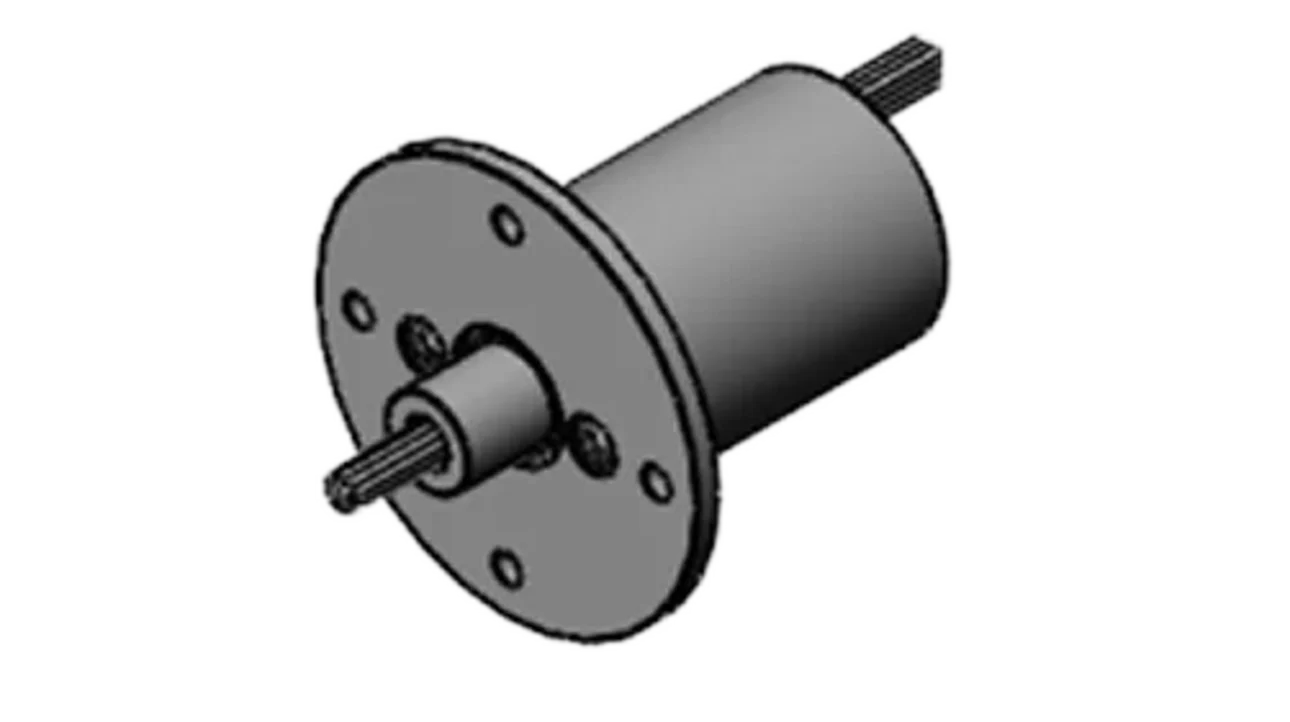
Small capsules
For example:
- Ring/ circuit QTY: Up to 12 rings rated at 1 Amp MAX.
- Current: 1 Amp per circuit
- Dielectric strength: 250 Volts RMS
- Noise: 5 mΩ MAX.
- Speed: 400 RPM MAX Bi-Direction
Key factors
It’s crucial for systems that require unrestricted, intermittent, or continuous rotation while transmitting power, analog, digital, or RF signals, and data. Slip rings enhance mechanical performance, simplify system operations, and eliminate the risk of damage from dangling wires connected to moving joints.
Designing an effective slip ring involves balancing several key factors influenced by customer requirements and cost objectives.
Slip rings are designed to transmit various types of signals and power through a rotating component. Key considerations include:
- Number of circuits and signal types: Determines the physical design constraints.
- Electrical noise immunity: Essential for maintaining signal integrity.
High-power circuits
- Require larger conductive paths.
- Need greater spacing between paths to enhance dielectric strength.
Analog and data circuits
- Physically narrower than power circuits.
- Must be carefully designed to minimize cross-talk and interference.
Contact systems
- Low speed/low current: Utilize Gold-on-Gold brush/ring contacts for compact packaging, as seen in our small and mid-sized capsules.
- High speed/high current: Use composite Silver Graphite brushes and Silver rings, requiring larger packages found in our enclosed power slip rings.
Both contact systems typically exhibit dynamic contact resistance changes of approximately 5 milliohms.
Mechanical design is often complex due to various packaging requirements:
- Space constraints: Accommodating cabling and hardware may dictate the slip ring’s inner diameter.
- Size requirements: Some applications need extremely small diameters or heights.
Integration needs: Limited space might require the slip ring to be provided as separate components
Electro-Miniatures offers a variety of signal through-bore units and has experience meeting unique packaging challenges.
Environmental conditions significantly impact slip ring design:
- Rotational speed
- Temperature
- Pressure
- Humidity
- Shock and vibration
- Exposure to corrosive materials
These factors influence:
- Bearing selection
- Material choices for housings and flanges
- Cabling options
Standard slip rings feature lightweight aluminum housings. For harsher environments, stainless steel housings provide added durability despite their heavier weight.
The cost of a slip ring is influenced by several factors, including its complexity, materials, and custom requirements. Key cost considerations include:
- Design complexity: Advanced designs that incorporate multiple circuits, signal types, or custom packaging tend to be more expensive.
- Materials: Choices such as lightweight aluminum versus durable stainless steel housings can impact cost.
- Production volume: Larger production runs may reduce per-unit costs through economies of scale.
- Customization: Tailored solutions, such as integrated slip rings with motors or sensors, are designed to meet specific needs but can increase costs.
Electro-Miniatures works closely with customers to balance performance and cost, ensuring every slip ring meets functional requirements without exceeding budget constraints.
Get in touch!
We are here to answer your questions, provide support and discuss your project’s needs.